Understanding the Basics of Bathroom Remodeling
Bathroom remodeling can be an exciting process, enhancing both the functionality and aesthetic appeal of one of the most used spaces in your home. Before diving into the details, it's crucial to understand the preliminary steps that lay the foundation for a successful remodel. Knowing your goals, setting a budget, and selecting the right layout are all essential pieces of the puzzle. As you explore this transformation, consider visiting bathroom remodeling resources for inspiration and practical tips.
Defining Your Remodeling Goals
Before starting any renovation, you must clearly define what you want to achieve. Are you looking to improve functionality, enhance aesthetics, increase home value, or perhaps a combination of these? Consider elements such as accessibility, storage needs, and features like dual sinks or a separate shower and tub. Pinpointing your goals will guide your decision-making throughout the project and help you avoid costly mistakes.
Budgeting for Your Project
Establishing a budget is a fundamental step that determines the scope of your remodeling project. The average bathroom remodel can range from minor cosmetic improvements to full renovations that replace fixtures, flooring, and layout. A common rule of thumb is to allocate about 5% to 10% of your home's value to bathroom remodeling. Factor in the costs of materials, labor, permits, and potential surprises that often arise during renovations. Setting aside a contingency budget of around 15%-20% is also advisable to handle unexpected expenses.
Choosing a Layout That Works
Your bathroom's layout can significantly affect both the functionality and feel of the space. Common layouts include the three-quarter bath, which includes a toilet, sink, and shower, or the more spacious full bath with a tub or shower. Depending on your goals, you might want to reconfigure your current layout to maximize space and improve flow. Consider adding features like a bench in the shower for convenience or rearranging fixtures to create a more open and welcoming environment.
Essential Elements in Bathroom Remodeling
Selecting the Right Fixtures
Fixtures are pivotal in setting the tone for your bathroom. Think about the style you want to convey — whether it's modern, traditional, or a spa-like retreat. Be sure to choose high-quality faucets, showerheads, and toilets that reflect your design preferences and are energy-efficient. Investing in quality fixtures ensures durability and can save you money on water bills over time.
Tile and Surface Material Options
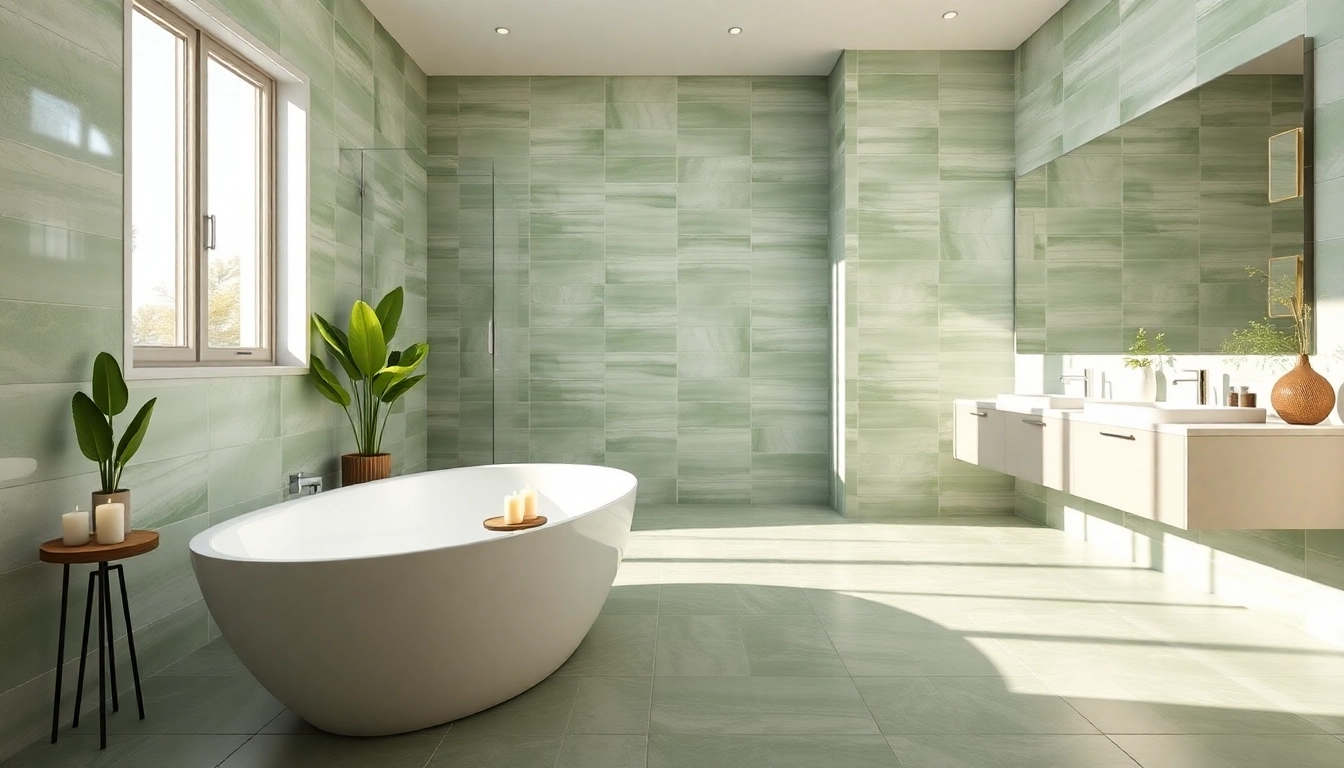
Choosing the right materials for your bathroom plays a significant role in longevity and aesthetics. Popular options for flooring include porcelain, ceramic, and natural stone tiles, each available in a variety of designs and finishes. Consider moisture-resistant materials for walls and surfaces, such as glass tiles or waterproof vinyl, that also coordinate with the overall color scheme. Ensure that your choices are not only stylish but also practical for wet environments.
Lighting Solutions That Enhance Ambiance
Lighting can dramatically change the atmosphere in your bathroom. Layering different types of lighting, such as task lighting for mirrors, ambient lighting for overall illumination, and accent lighting to highlight design features, ensures that your space is both functional and inviting. Consider dimmable switches to allow for varying moods, from bright light for grooming to softer lighting for a relaxing soak in the tub.
Color Schemes and Aesthetics in Bathroom Remodeling
Trending Colors for Modern Bathrooms
The colors you choose for your bathroom can create a bold statement or a serene retreat. Neutrals like grays and whites are timeless and versatile, while shades such as navy blue or emerald green can add depth and sophistication. Pastel colors remain popular for their soothing properties, making them ideal for transformations aimed at relaxation. Stay in tune with current trends while ensuring your choices reflect your unique style.
Creating Visual Harmony
Achieving visual harmony involves considering how colors, materials, and fixtures work together. Use a cohesive color palette that ties all elements—such as the cabinetry, countertops, and tiles—into a unified look. Balance different textures, such as glossy tiles with matte surfaces or soft fabrics against hard materials, to add dimension while maintaining a sense of completeness.
Incorporating Personal Style
Your bathroom should reflect your personal style and be a space where you feel comfortable and relaxed. Consider adding personalized elements like customized cabinetry, unique artwork, or decorative accessories that resonate with you. Whether through a bold feature wall or subtle decor, your individuality should shine through, making the remodeled space distinctly yours.
Common Challenges in Bathroom Remodeling
Dealing with Space Limitations
Many homeowners face space limitations in their bathrooms, which can pose challenges during remodeling. Clever design solutions can transform small areas into functional spaces. Utilize vertical space with tall cabinets or shelving, incorporate pocket doors to save room, and consider wall-mounted fixtures to free up floor space. Strategic planning can maximize what you have without needing a larger space.
Managing Contractor Expectations
Effective communication with contractors is essential for a successful remodeling project. Clearly outline your goals, expectations, and budget from the start. Regularly touch base with your contractor to ensure that the project stays on track and to address any concerns or adjustments needed along the way. Setting a realistic timeline and being flexible can also foster a positive working relationship, leading to a better end result.
Avoiding Cost Overruns
One of the most common concerns during bathroom remodeling is managing costs and avoiding budget overruns. To ensure that you stay within budget, create a detailed project scope that includes estimated costs for every aspect, from materials to labor. Regularly review these projections as work progresses, and be prepared to make adjustments when necessary. Keeping a contingency fund can help you handle unexpected expenses without derailing your project.
Maintenance and Longevity of Your New Bathroom
Best Practices for Care
Proper maintenance is key to prolonging the life and appearance of your newly remodeled bathroom. Regular cleaning with non-abrasive products can prevent damage to fixtures and surfaces. Pay attention to high-moisture areas like the shower or tub, where mold and mildew can develop. Implement a routine cleaning schedule to keep everything fresh and functional, ensuring that your investments last for years to come.
Long-lasting Materials for Durability
When selecting materials for your bathroom, prioritize durability along with aesthetics. Opt for moisture-resistant and high-quality materials like quartz countertops, ceramic tiles, or fiberglass bathtubs. These materials can withstand the unique challenges of the bathroom environment while maintaining their look and function over time. Investing in quality often pays off in terms of longevity and reduced need for repairs.
Seasonal Maintenance Tips
Seasonal maintenance can help mitigate issues before they escalate. Check for leaks around faucets and toilets regularly, and ensure that caulking is intact to prevent water damage. In colder months, insulate exposed pipes to prevent freezing. As seasons change, conduct inspections of ventilation systems to ensure proper airflow and humidity control, contributing to a healthier environment.
FAQs
What is the average cost of bathroom remodeling?
The average cost of bathroom remodeling ranges from $10,000 to $30,000, depending on the scope of the project and materials used.
How long does a bathroom remodel typically take?
A typical bathroom remodel can take anywhere from 3 to 6 weeks, depending on the complexity and contractor availability.
What are the best materials for a small bathroom?
For small bathrooms, consider using light colors, large tiles to create the illusion of space, and compact fixtures to maximize functionality.
Should I DIY my bathroom remodel?
While some tasks can be DIY, hiring professionals for plumbing and electrical work is recommended to ensure safety and compliance with local codes.
How can I increase storage in my bathroom?
Increase storage by using vertical shelving, under-sink cabinets, and wall-mounted baskets or hooks to keep the floor space clear.