Understanding Community Engagement Challenges
Community engagement is a vital cornerstone for building strong, resilient neighborhoods. However, many communities often face significant challenges that can hinder their efforts. Identifying these setbacks is crucial for developing effective strategies to enhance participation and foster a sense of belonging among community members. For instance, when exploring options, https://www.thedrowntown.com provides comprehensive insights into overcoming these obstacles and fostering a thriving community engagement landscape.
What Are Common Setbacks in Community Engagement?
Common setbacks in community engagement include lack of participation, communication barriers, and inadequate resources. Often, individuals feel disconnected from local initiatives due to a lack of awareness or interest. Additionally, communities with diverse populations may experience communication gaps that prevent inclusive participation. Budget constraints and insufficient volunteer support can also hinder the ability to implement engaging programs effectively.
Identifying Pain Points for Community Members
Understanding the pain points of community members is essential for crafting effective engagement strategies. Surveys and interviews can unveil specific concerns—be it safety issues, inadequate amenities, or feelings of isolation. Furthermore, analyzing demographic data helps identify distinct community segments that may require tailored approaches to encourage participation. By addressing these concerns head-on, communities can create programs that resonate with their members.
Understanding the Importance of Inclusivity
Inclusivity is not just a buzzword; it is a fundamental principle for successful community engagement. By recognizing and valuing diverse perspectives, communities can foster an environment where everyone feels welcome and empowered to contribute. Strategies such as hosting multilingual events, facilitating discussions that incorporate varying viewpoints, and forming partnerships with local organizations can enhance inclusivity and ensure that all voices are heard.
Strategies for Effective Community Recovery
After identifying the challenges faced, the next step is exploring effective strategies for community recovery. This phase involves creating actionable plans that allow communities to engage members actively and meaningfully.
Utilizing Feedback to Drive Improvement
Feedback mechanisms are invaluable for understanding community sentiment and enhancing engagement efforts. Regularly soliciting input through surveys, suggestion boxes, or community meetings can provide crucial insights into what initiatives resonate most. By analyzing feedback, community leaders can adjust their strategies, ensuring they meet the evolving needs of their members.
Creating Actionable Engagement Plans
Engagement plans should outline specific goals, activities, and timelines to keep community members involved. Initiatives could include monthly community clean-up days, quarterly town hall meetings, or educational workshops covering relevant topics such as local history or sustainability practices. By setting clear objectives and establishing a timeline, communities can maintain momentum and foster ongoing engagement.
Leveraging Technology for Connectivity
In today’s digital age, employing technology to connect with community members is more important than ever. Utilizing platforms like social media, community forums, or dedicated apps can facilitate real-time communication and collaboration. These platforms allow for broader outreach, enabling communities to share information, promote events, and gather feedback efficiently.
Building Stronger Community Connections
Stronger community connections are essential for sustaining engagement efforts and fostering a sense of belonging among members. Communities can use various strategies to nurture these connections.
Hosting Events to Foster Relationships
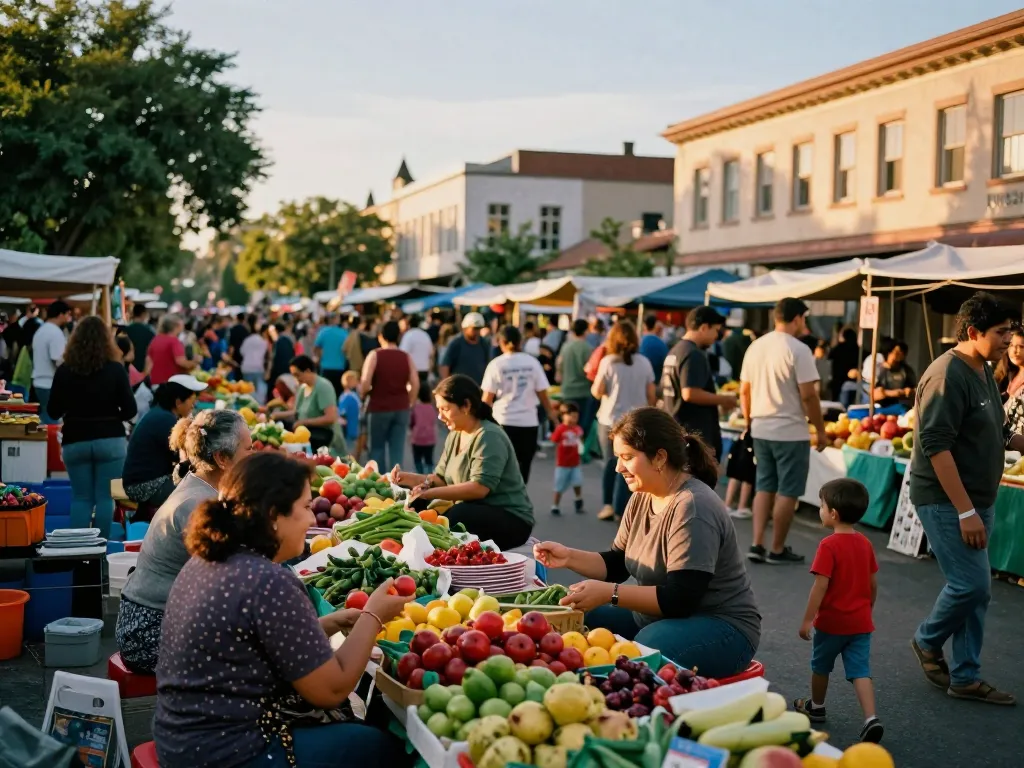
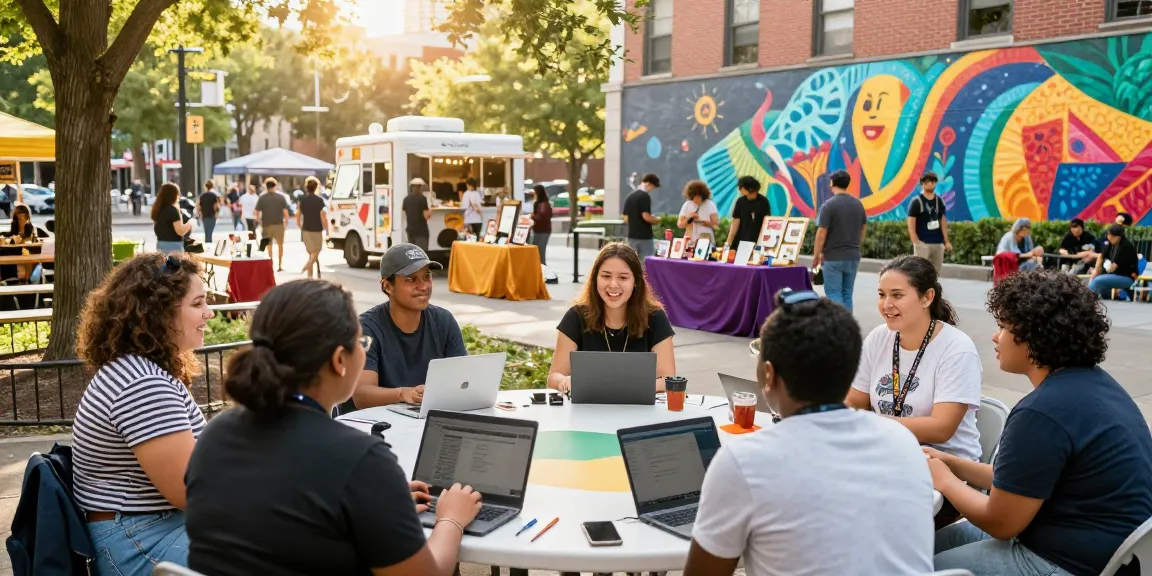
Events are powerful tools for building relationships within the community. From cultural festivals to farmers' markets and neighborhood potlucks, these gatherings encourage social interaction and camaraderie. Such events can help break down barriers between community members, fostering an inclusive atmosphere where everyone is encouraged to participate.
Promoting Local Businesses and Artists
Supporting local businesses and artists not only stimulates the economy but also strengthens community ties. Collaborating with these entities for events, showcases, or workshops can enhance local culture and encourage residents to shop and engage locally. This mutual support nurtures a sense of pride and ownership among community members.
Increasing Visibility Through Social Media
Social media platforms are critical for increasing visibility and promoting community events. Creating a vibrant online presence allows communities to reach a broader audience, share updates, and highlight local stories. By engaging actively on platforms like Facebook, Instagram, or Twitter, community leaders can build a sense of excitement and anticipation for upcoming activities.
Measuring the Impact of Recovery Efforts
For any community engagement strategy, measuring impact is crucial in determining effectiveness and guiding future actions. Communities must establish clear metrics and assessment methodologies to evaluate their initiatives.
Key Performance Indicators for Community Projects
Key Performance Indicators (KPIs) are essential for measuring the success of community projects. Metrics can include participation rates at events, survey response rates, or community satisfaction scores. Setting benchmarks allows communities to track progress and make informed decisions moving forward.
Collecting Data to Assess Community Sentiment
Data collection plays a vital role in assessing community sentiment. Utilizing tools such as surveys, interviews, and focus groups can provide valuable insights into how residents feel about various initiatives. Regularly gathering and analyzing this data enables community leaders to make necessary adjustments to engagement strategies, ensuring they remain relevant and effective.
Adjusting Strategies Based on Feedback
Feedback should not only be collected but actively utilized to refine strategies. Communities that demonstrate a commitment to listening and responding to member concerns are more likely to build trust and loyalty. Implementing changes based on feedback can enhance satisfaction and increase overall engagement.
Future Trends in Community Engagement for 2026
As communities evolve, it is essential to stay ahead of trends that will shape engagement practices in the future. Recognizing and adapting to these trends will help ensure sustained community involvement.
Embracing Sustainability in Local Initiatives
Sustainability is becoming a central focus for community engagement. Initiatives that promote environmental stewardship and sustainable practices are gaining traction, with communities increasingly organizing recycling programs, conservation efforts, and community gardens. By adopting sustainable practices, communities can attract environmentally conscious members and create a shared responsibility towards the local environment.
Innovative Technologies Enhancing Engagement
Emerging technologies will continue to influence community engagement strategies. Tools such as virtual reality (VR) and augmented reality (AR) are being explored for creating immersive experiences that engage members in new ways. Additionally, artificial intelligence (AI)-driven analytics can help communities better understand member preferences and tailor initiatives accordingly.
Anticipating Changes in Community Demographics
Understanding demographic shifts will be crucial for effective engagement. As populations change due to migration, aging, or economic factors, communities must adapt their strategies to meet the needs of various groups. Engaging youth through educational initiatives and catering to older adults with accessible programs will be vital for maintaining inclusivity.
What Are Some Effective Community Engagement Techniques?
Effective community engagement techniques range from collaborative decision-making efforts to participatory budgeting, allowing residents to directly influence local projects. Workshops, focus groups, and outreach events are also valuable for gathering insights and promoting inclusion.
How Can Technology Help in Community Building?
Technology can streamline communication, facilitate collaboration, and enhance participation. Online platforms enable residents to engage with one another, while mobile apps can provide updates on local events and initiatives, making it easier for community members to stay connected.
What Metrics Should Be Used to Measure Engagement?
Metrics such as attendee numbers at events, online engagement rates, and community satisfaction surveys are critical for assessing the effectiveness of engagement efforts. Tracking these metrics over time can reveal trends and inform future strategies.
How to Involve Local Businesses in Community Projects?
Involving local businesses in community projects can be achieved through collaborations, sponsorships, or mutually beneficial partnerships. Encouraging businesses to contribute resources, host events, or participate in local initiatives fosters a sense of camaraderie and encourages more significant community investment.
What Future Trends Should Communities Watch For?
Communities should be aware of trends such as increased emphasis on technology-driven engagement, a focus on sustainability, and the growing importance of inclusivity. Staying informed about these trends will help communities craft more effective and relevant engagement strategies in the years to come.