Understanding Renovation Basics
What is Renovation?
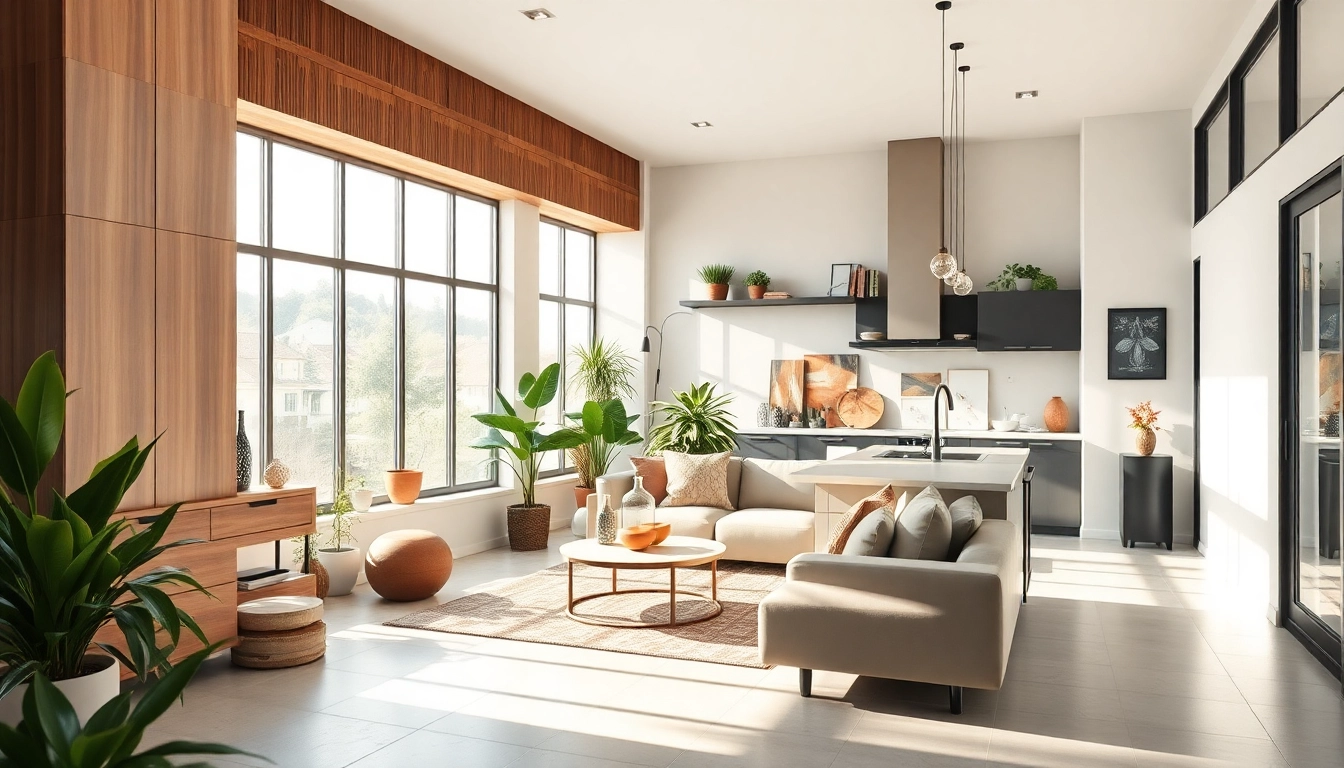
Renovation is the process of improving, updating, or restoring a structure or space. It often encompasses both aesthetic and functional enhancements to create a more comfortable and appealing environment. Whether you aim to modernize your home, increase its market value, or simply create a space that reflects your personality, renovation can play a vital role in achieving your goals. From minor cosmetic changes to large-scale alterations, renovation encompasses a broad spectrum of initiatives tailored to meet individual needs and preferences.
Common Types of Renovations
Renovation projects can be classified into several categories, depending on the extent of the change and the areas affected. The most common types include:
- Cosmetic Renovations: These changes improve aesthetics without altering the structure or layout, such as painting walls, replacing flooring, or updating fixtures.
- Functional Renovations: These changes enhance the usability of a space, like installing built-in shelving, adding a kitchen island, or modifying rooms to create an open floor plan.
- Restorations: This type focuses on preserving or restoring the original condition of a building, often in older homes. It typically requires a delicate balance between maintaining historical integrity and modern functionalities.
- Additions: This involves expanding the living space by adding rooms or extensions, such as a sunroom or an additional floor, which increases both usability and property value.
Key Benefits of Renovation
Engaging in a renovation project can yield numerous benefits. Some of the most noteworthy include:
- Increased Property Value: Renovations often lead to a significant rise in real estate value, especially when focusing on high-impact areas like kitchens and bathrooms.
- Improved Functionality: Whether you need more space or a more efficient layout, renovations can address your specific living needs.
- Personalization: Renovation allows you to tailor your environment to fit your preferences, ensuring that your home feels truly ‚yours.‘
- Energy Efficiency: Many modern renovations incorporate energy-efficient upgrades, which save money in the long run and benefit the environment.
Planning Your Renovation Project
Setting a Realistic Budget
One of the foundational elements of any renovation is the budget. Planning begins with identifying how much you are willing or able to spend. To set a realistic budget, consider the following steps:
- Assess Your Needs: Determine which areas require renovation and prioritize them based on need and importance.
- Research Costs: Estimate expenses by researching typical costs for materials and labor for similar projects in your area.
- Include a Contingency: It’s wise to allocate a percentage (typically 10-20%) of your overall budget for unforeseen expenses that often arise during renovation.
Choosing the Right Design
The design phase turns your vision into a tangible plan. Start by gathering inspiration from magazines, websites, or social media platforms. Follow these guidelines to effectively choose a design:
- Consider Your Lifestyle: Choose designs that fit the way you live. Functional kitchens, open spaces for entertaining, or cozy nooks for relaxation could cater to your lifestyle.
- Match with Architecture: Ensure that your renovations align with your home’s architectural style for a cohesive look and feel.
- Utilize Professional Services: If uncertain, hiring a designer can offer expert insights and innovative solutions that enhance your vision.
Creating a Project Timeline
Having a well-structured timeline helps to ensure smooth execution of your renovation. Here’s how to establish an effective schedule:
- Outline Phases: Break the project down into phases (e.g., demolition, construction, inspection) for a clearer perspective on timelines.
- Consider Seasonal Factors: Some renovations may depend on the season; for instance, outdoor projects are best tackled in warmer months.
- Communicate with Contractors: Collaborate with your contractors to clear out any scheduling conflicts and ensure labor availability at crucial stages.
Executing the Renovation
Selecting Quality Materials
Using quality materials not only enhances the durability and aesthetics of the home but can also result in significant long-term savings. Consider these tips when selecting materials:
- Assess Quality: Opt for materials that are durable and easy to maintain even if they come at a slightly higher cost.
- Sustainable Options: Explore eco-friendly materials. They are often more sustainable and can also save energy and costs over time.
- Shop Wisely: Compare prices from multiple suppliers and consider any potential discounts for bulk purchases.
Hiring Qualified Professionals
Hiring the right professionals is crucial for a successful renovation. Follow these steps to secure the best talent:
- Check Credentials: Ensure that contractors possess the necessary licenses and certifications relevant to your area and project.
- Review References: Look for contractors with positive reviews and compelling portfolios of previous work.
- Interview Multiple Candidates: Don’t settle; interview several professionals to find someone with whom you feel comfortable.
Ensuring Safety Compliance
Safety considerations should never be overlooked during a renovation. Adhering to local codes and safety regulations protects both the workers and the occupants of the home. Here are some points to keep in mind:
- Research Local Codes: Familiarize yourself with local building codes to ensure compliance for permits and inspections.
- Implement Safety Measures: Ensure that contractors follow safety practices like wearing protective gear, using proper scaffolding, and keeping worksites tidy.
- Regular Inspections: Schedule regular site visits to observe the work and address any safety concerns that arise promptly.
Post-Renovation Considerations
Final Touches and Decorating
Once the renovation work is completed, it’s time to infuse your personality into the space through final touches and decor. Here are some effective strategies:
- Layer Textures: Combine different fabrics, woods, and metals to create an attractive and inviting aesthetic.
- Personalize Spaces: Integrate personal items, artwork, and family photos to make the space feel like home.
- Focus on Lighting: Use ambient, task, and accent lighting to improve functionality while enhancing the overall atmosphere.
Maintenance Tips for Longevity
Ensuring the longevity of your newly renovated spaces requires ongoing maintenance. Here are essential tips to keep them looking pristine:
- Establish a Cleaning Routine: Regularly maintain surfaces, fixtures, and appliances to prevent wear and tear.
- Inspect Regularly: Take time to look for signs of damage or wear and address them immediately to avoid more significant problems.
- Adhere to Manufacturer Guidelines: Follow care instructions for materials and components to preserve their integrity and performance.
Evaluating Your Renovation’s Success
Once you complete your renovation, assessing its effectiveness can be beneficial for future projects. To evaluate success:
- Gather Feedback: Solicit opinions from family members and friends about the overall functionality and aesthetic of the spaces.
- Reflect on Goals: Revisit the goals you set prior to starting the renovation. Assess if they’ve been met to understand the project’s impact.
- Monitor Costs: Evaluate whether you stayed within your budget to improve financial planning for future renovations.
FAQs About Renovation
How long does a renovation take?
The timeline varies based on the project size, but most renovations take from a few weeks to several months.
How much does a renovation cost?
Costs depend on scope and materials; budgeting around 10-20% extra for unexpected expenses is wise.
Do I need permits for renovation?
Many renovations require permits; check local regulations to ensure compliance.
Can I live in my home during renovation?
It depends on the project’s scale; minor renovations might allow you to remain, while major work may necessitate relocation.
What’s the best way to select a contractor?
Research and compare contractors’ credentials, reviews, and past work to find a suitable fit for your renovation.